In India, popular perception in religious art largely spread through calendars, posters and periodicals. These colourful works of art were important in reinforcing images that we instantly recognise today. For instance, if we were to try to imagine Rama’s coronation in Ayodhya, it would be something like this — Rama and Sita seated on the royal throne with Hanuman bowing at their feet. Rama’s brothers, Lakshmana, Bharata and Shatrughna are in attendance, as is the Vanar king Sugreeva. The royal priest, Vashishta, is busy conducting the ceremony.
It is a gloriously celebratory image, but uni dimensional, and oh-so-safe-and-recognisable, if you know what I mean. And frankly, quite boring as the expressions on all the faces are fixed and beatific.
But then, sometimes, one comes across depictions that shakes you out of the boredom and makes you look at the same thing all over again, but with delight this time.
I came across two artifacts/tableaus on Rama’s coronation at at Mumbai’s Bhau Daji Lad Museum. Though both were instantly recognisable for what they depicted, they had more than an element of surprise on offer. Here is the first one:
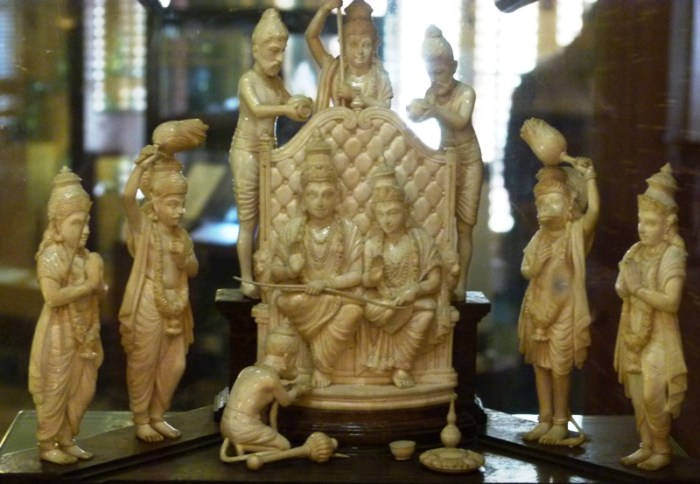
Continue reading “Museum Treasure: Rama’s coronation”

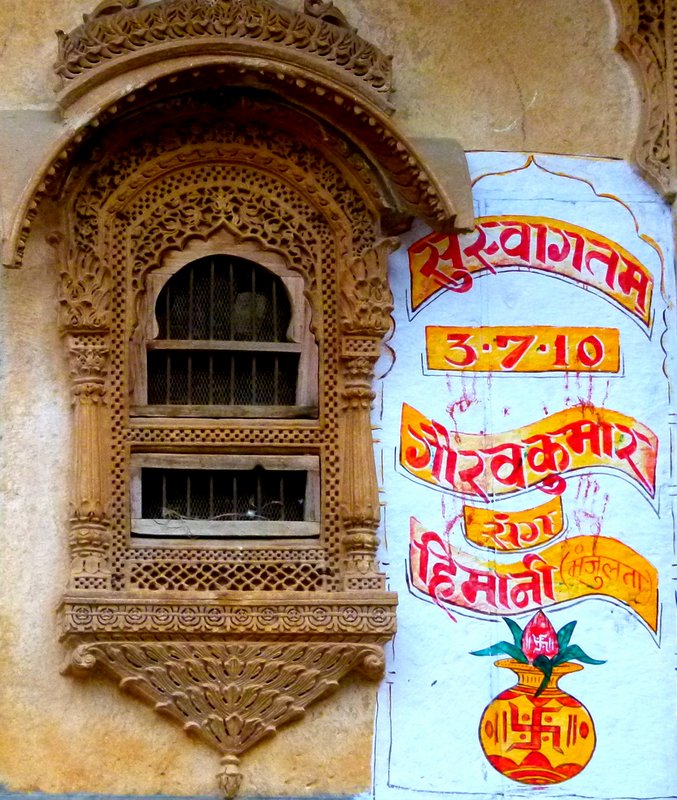 Then I saw more of these and then some more. In fact, almost every house in Jaisalmer has such announcements painted near the entrance. The announcements are of weddings, upanayan ceremonies, housewarming ceremonies… And realised that this is a custom, a tradition in Jaisalmer and one that is unique to this city, as its residents kept telling me. Almost all these “announcements” have auspicious symbols accompanying it like the kalash, the swastika, and Ganpati.
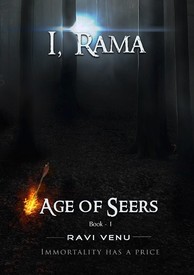 Now, how do I write a review of a book that is yet another retelling of the beloved Hindu legend, the Ramayana?



 My Favourite Things