My trip to Himachal in September last year was a trip of many firsts — the first time I saw the mighty Himalayas, the first time my under-graduate and post-graduate classes on Himalayan Geology came alive, the first time I saw apples on trees, the first time I tasted a yellow plum, the first time I saw the confluence of two rivers … and so much more. It was also a trip where an old interest in the plant life around me got rekindled.
It started of slowly enough with the magnificent trees in the region grabbing my attention: the pines, the deodars, the fruit trees. Then it was the flowering shrubs that my attention shifted to, especially the wild rose plant that I thought was a pomegranate plant ! Go ahead and laugh. You have my permission 😛 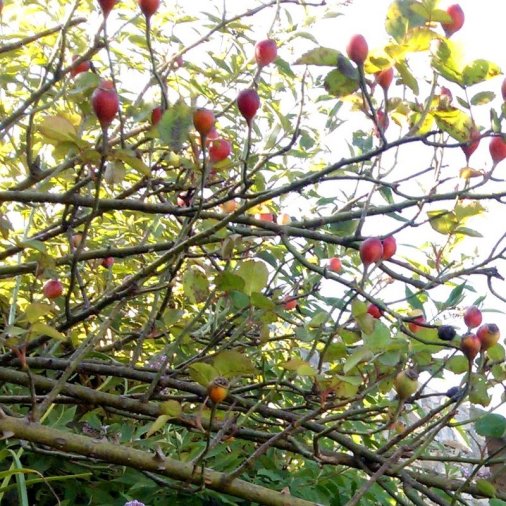 Soon words like bryophytes, pteridophytes, angiosperms, gymnosperms, mycota… were floating around my head, dredged up from some corner of my brain, courtesy college-level Botany. And slowly, with each passing day, other plants came into focus, especially the non-flowering variety of ferns, mosses, lichens and fungi. (Strictly speaking fungi are not plants, but since they were considered to be part of the Plant Kingdom in the recent past, I have included them here.) And before I knew it, I was traversing the fascinating world of ferns, mosses, lichens, fungi… and then some more. Continue reading “Ferns, mosses, lichens, fungi…”




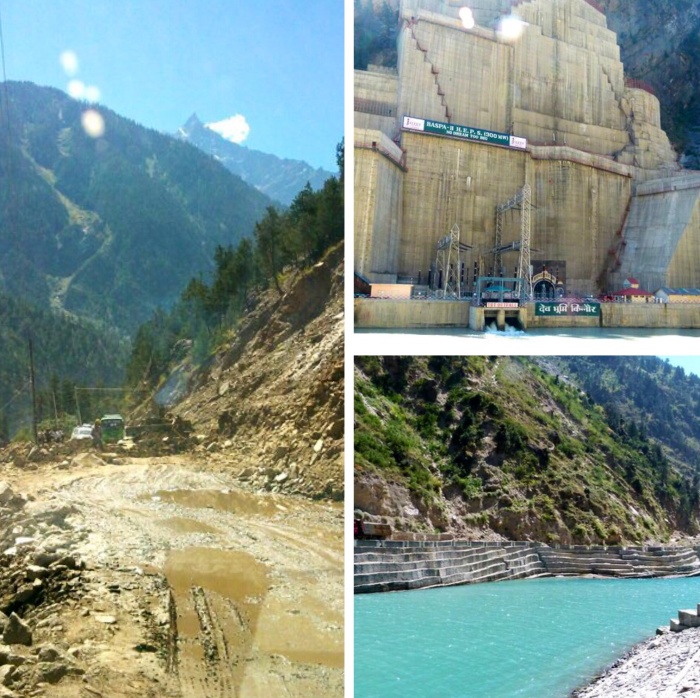
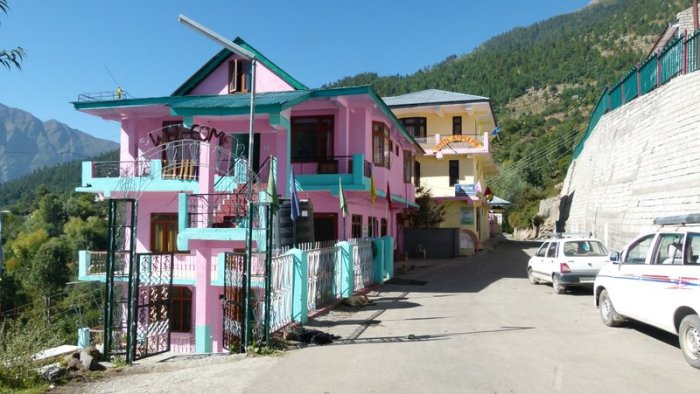
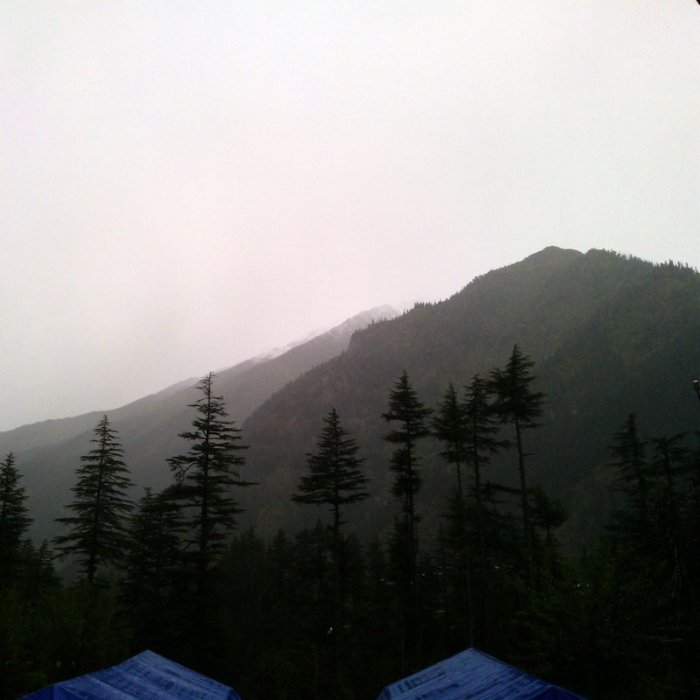 I was at Sangla’s Kinner Camps in the Kinnaur region of Himachal Pradesh. Our tour group had arrived here the previous afternoon and we had had a great time exploring the neighbouring Batseri village and walking along the River Baspa till rain forced us to return. Though we were a little concerned about the sudden change in weather, we were also quite sure that the next day would dawn bright and sunny.


 My Favourite Things