The journey to a destination

Someone said, and I can’t remember who, that the journey to a destination is as important and interesting as the destination itself. But sadly, most of us do not give much importance to what we see around us during journeys. I, too, have been guilty of this.        

But a recent holiday to North Karnataka (where I visited Bijapur, Badami, Pattadakal, Aihole, and Hampi) changed all this. Since I was travelling with a tour group for the first time, common courtesy dictated that I do not bury myself in a book all the time, something I normally do while travelling.        

But more than that, I feel that the main reason for the interesting journey was because I did not travel in a sterile aeroplane or air-conditioned train compartment (except on my return journey to Mumbai), or an air-conditioned car/jeep/bus, which usually does not allow you to be a spectator or participant to the world around you. Travelling in a Second Class train compartment or non air-conditioned vehicle forced me to look out of the window and breathe in the fresh, cool air or sometimes air flavoured with dust and diesel/petrol fumes !       

This recent trip was a veritable feast for my jaded eyes and soul. Every leg of the journey (and the various destinations, about which I will write in other blog posts) presented something new and refreshing.        

Enroute to Bijapur from Mumbai by train …       
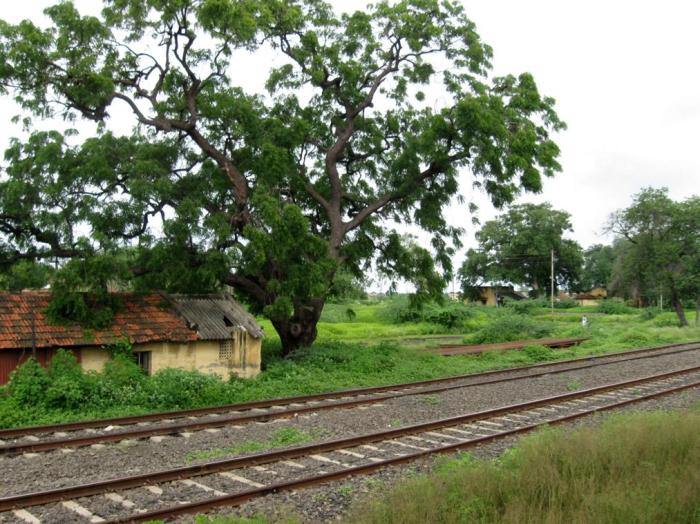
Lush green countryside after Solapur
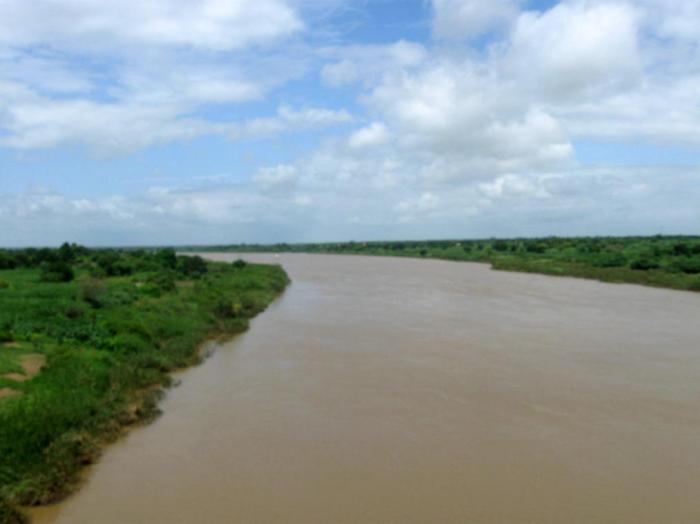
River crossing near Tadwal
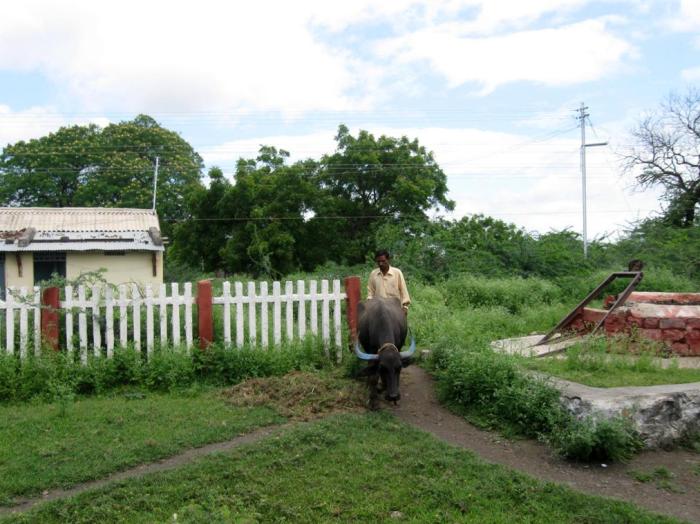
Railway lines and stations often come in the way of traditional grazing grounds for cattle. Here, a buffalo and her owner make their way along a well-tread path through the railway station. The way the pair of them came charging down the path, I thought that they would get into the train !

On the way to the Bhootnath Temple at Badami…       
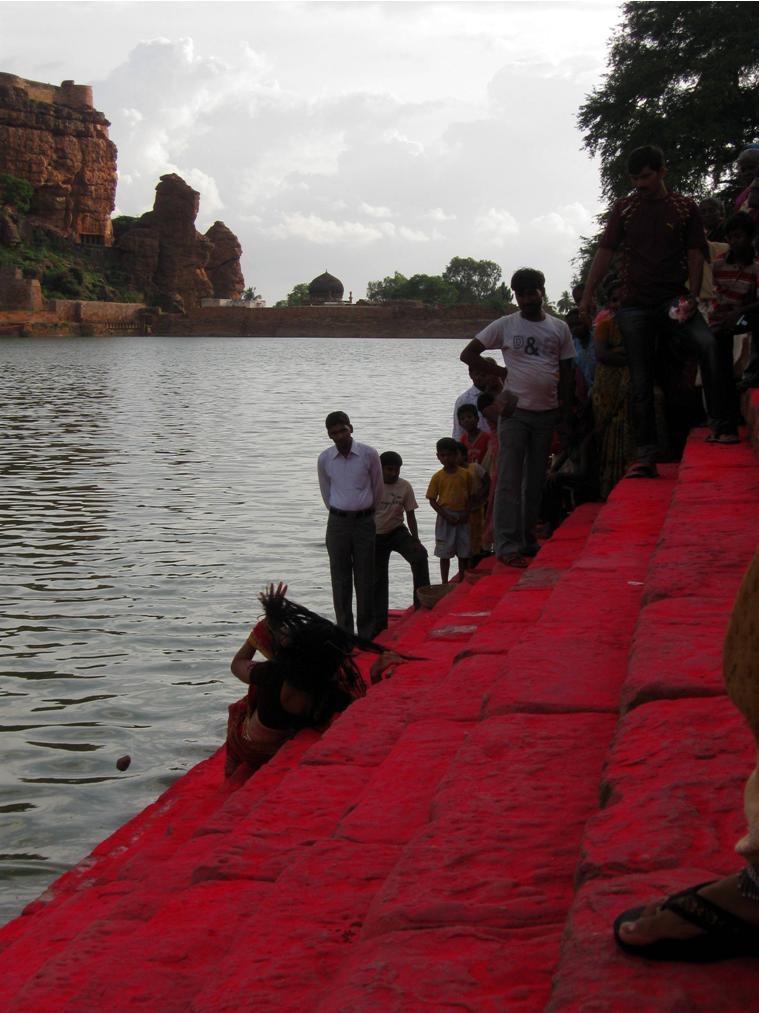
A film shooting was in progress on the steps of the Agastya tank. As far as I could figure out, the scene being shot involved people stoning a woman as she cried out to her mother for help

Enroute to Pattadakal…       

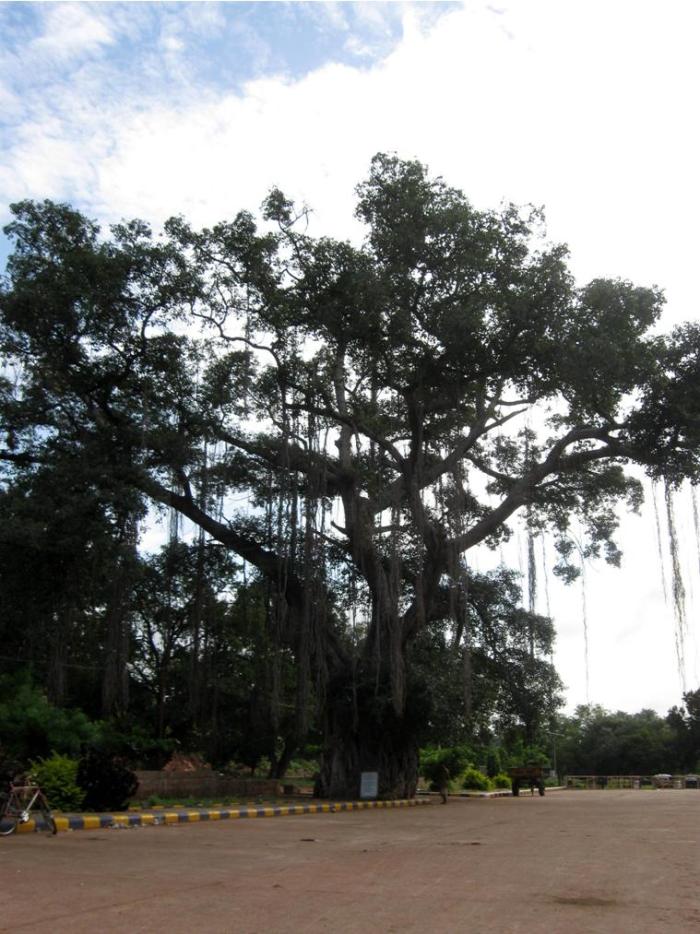
A magnificent, 300-year old banyan tree outside the Mahakoota Temple

Enroute to the Vittala Temple in Hampi…     
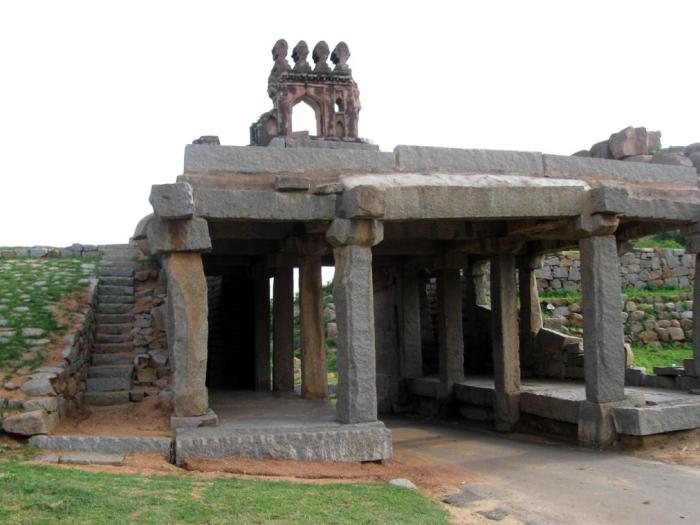
Talarigatta Gate, one of the entrance gates to the ancient village of Vittalapura

Enroute to the Daroji Bear Sanctuary…     
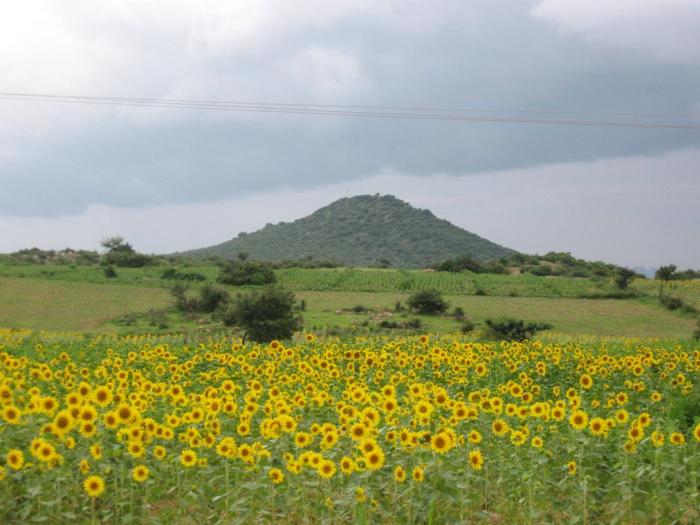
Sunflower field with fast approaching rain clouds

Enroute to Hubli…    

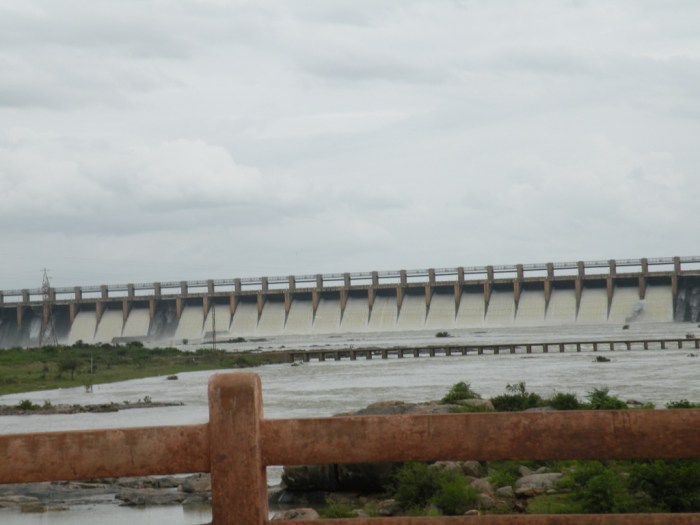
Tungabhadra Dam (Photo Courtesy: Shailaja Apte)

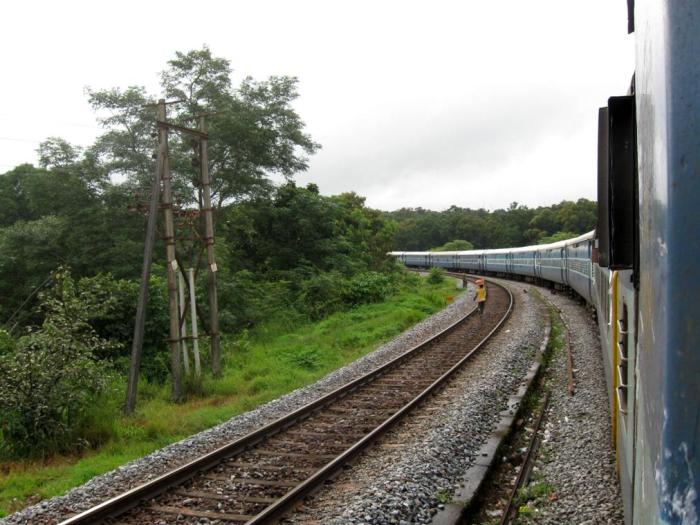
Enroute to Mumbai by train…    

Passing a thickly forested area before Londa Station

There were so many things that I was unable to photograph and share it here with you:       

  • endless fields of bajra, jowar, corn and sugarcane
  • lush green banana plantations
  • agressive pigs, nervous dogs and emaciated cats in the various towns and villages that we passed through
  • monkeys, monkeys and more monkeys
  • the ever-changing landscape of North Karnataka
  • the hundreds of beautiful trees in the region
  • eager-eyed children with their families

 The list can go on and on and on…

A sepia-toned history of my family

Sometime back, I came across a fantastic blog titled The Indian Memory Project and instantly fell in love with the blog’s aim—to “trace the history of India, its people, professions, development, traditions, cultures, settlements and cities through pictures found in personal family albums and archives”. So, recently, when I came across some old family photographs, I thought, why not create my own family’s memory project and share them with you on this blog. So read on…

But first a little geographical background of my family to set the context—we are originally from Tirunelveli district in Tamil Nadu, a southern Indian state. My father’s side of the family is from Tharuvai, and my mother’s side of the family is from Narasinganallur—both villages in Tirunelveli district.

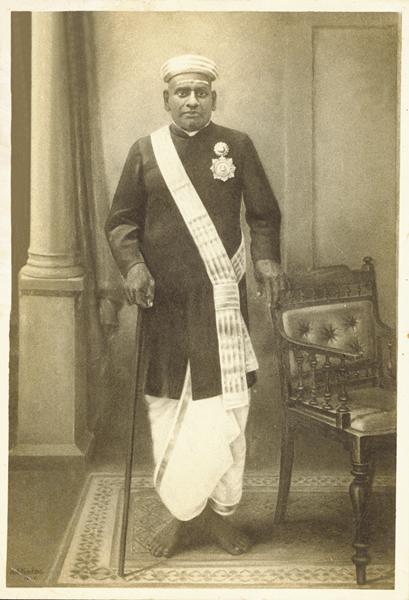
This family memory project begins with the story of my great-grandfather (my father’s paternal grandfather), T. Ganapati Sastri (1860–1926), a renowned Sanskrit scholar. Ganapati Sastri had very humble beginnings in Tharuvai—a place he left for Trivandrum (now Thiruvananthapuram) in his 16th year for economic reasons.

Trivandrum, c. 1915: My great-grandfather, Mahamahopadhyaya Dr. T. Ganapati Sastri

Continue reading “A sepia-toned history of my family”

Happy Independence Day!

It is not often that one gets to hear or see one’s favourite singers singing together or sharing space in a single frame. But then I came across this version of Vande Mataram rendered by four of my favourite singers—Sanjay Subrahmanyan, S Soumya, P Unnikrishnan and Bombay Jayashri. And what better occasion than India’s Independence Day on 15th August, to share it with you.

Happy Independence Day, India !

A special friend

Sometimes, in this journey called life, one meets people who are there with you for only a short while, almost as if they were on a specific purpose—that of making a positive difference to your life. I met one such person in the very first week of a year-long stay in London—Mohand.

But before I tell you more about Mohand, a little background information…

The year in London is, perhaps, the most memorable year of my life, in more ways than one. And one of them was searching for affordable, vegetarian food that I could manage within my limited scholarship allowance. I could have cooked in the communal kitchen in the place where I stayed, but I could not stomach the sight and smell of meat, chicken, fish, etc.

Rajshri, a friend & colleague from work, was already in London on a short-term visit when I arrived. A vegetarian herself, she had done quite a bit of research on vegetarian food joints in Central London and introduced me to some of them. The Cafe le Midi, on 23 Warren Street, was one such place, and we would meet up for lunch on Saturdays there. Rajshri soon returned to India, but I continued going to the Cafe every Saturday for lunch.

Continue reading “A special friend”

Vishrambaug Wada: A symbol of Pune’s cultural heritage and apathy

Vishrambaug Wada was built as a residence by Peshwa Baji Rao II in 1811. Today, part of the Wada is open to the public, while other parts have government offices and a post office installed in them. Located in the heart of Pune city, the Wada is a symbol of Pune’s rich cultural heritage. Ironically, it is also a symbol of neglect and apathy to that very rich cultural heritage.

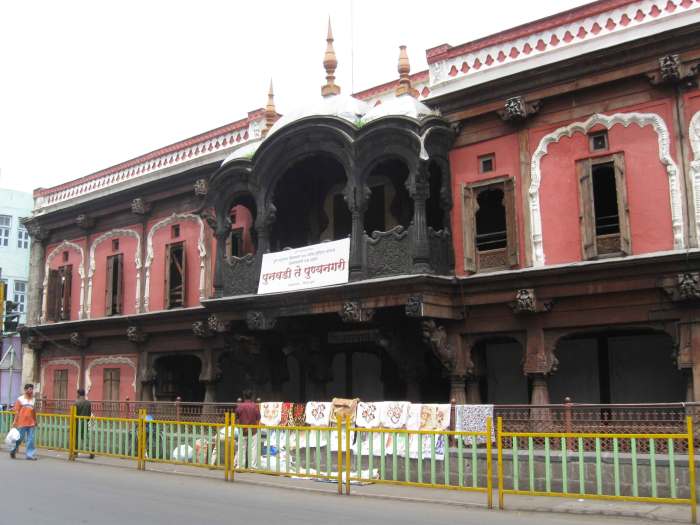
I visited Vishrambaug Wada on a Sunday morning. Though the markets were open, there were not too many people around. The hawker that you can see outside Vishrambaug Wada in the photograph below was busy displaying his ware of sofa and TV covers and bedsheets, when I arrived.

The terracotta, brown and white façade of the Wada, its wooden balcony, and massive wooden pillars (which I could see from across the road), presented the perfect opportunity for a photo-op as I waited to cross the road.

Vishrambaug Wada

Continue reading “Vishrambaug Wada: A symbol of Pune’s cultural heritage and apathy”

Pataleshwar caves: A hidden heritage of Pune

I mentioned in my previous post that I had gone ‘site’-seeing when I was in Pune last week. One of the places I went to was the 8th century, rock-cut Pataleshwar Caves.

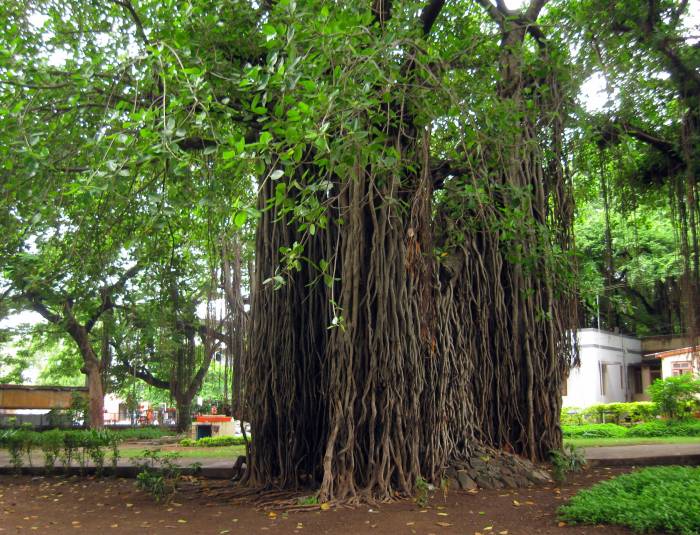
Situated on Jungli Maharaj Road, the entrance to the Caves is through a small garden with this magnificent banyan tree.

The beautiful banyan tree

In spite of its size, the banyan tree was homely, if you know what I mean. If the grounds had not been wet from the rain, I would have snuggled up to the tree with a book. I had to be content with just hugging the tree and moving on to the Caves.

Continue reading “Pataleshwar caves: A hidden heritage of Pune”