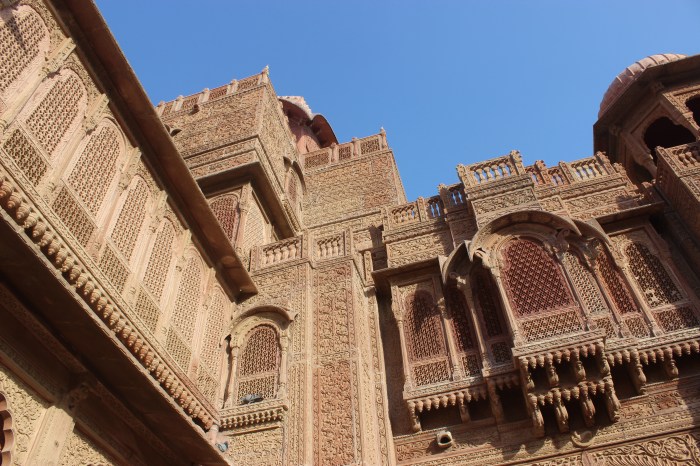
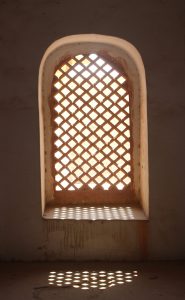
 I first visited Bikaner in February 2013 as part of a larger tour of Rajasthan with a group. Bikaner, the fourth-largest city of Rajasthan, was our first stop and it turned out to be the perfect introduction to the state as well as the perfect beginning to what turned out to be a great trip.
In the day-and-a-half that we had in Bikaner, our group was able to visit Junagarh Fort, the camel research station and the royal centotaphs at Devi Kund Sagar. We even managed to squeeze in a quick visit to the Bhandasar Jain Temple, but could not explore the city’s famed havelis and markets.
Five years later (and almost to the day in February 2018), I was back in Bikaner courtesy an invitation from Narendra Bhawan. And this time around, thanks to their curated trails, I was able to explore new places — the havelis and markets of Bikaner — and re-visit old ones like the royal cenotaphs. In addition, I also visited the Laxmi Niwas Palace and Bikaji ki Tekree, the site of the first fortified settlement in Bikaner. I also got the opportunity to travel out of the city into the desert one evening for a sundowner and a special dinner. An unexpected bonus of this trip was getting introduced to two master artists of Bikaner and an opportunity to see their work (more about this in a separate blogpost!).
Presenting my “Bikaner Revisited” experiences, beginning with a brief history of the city.
Continue reading “Bikaner revisted: Something old, something new”

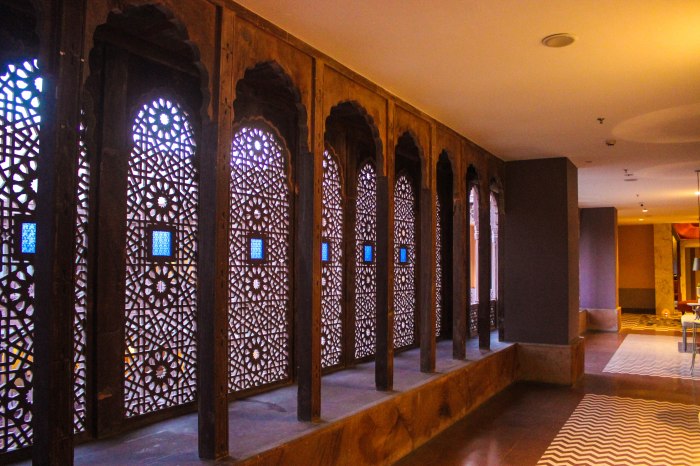

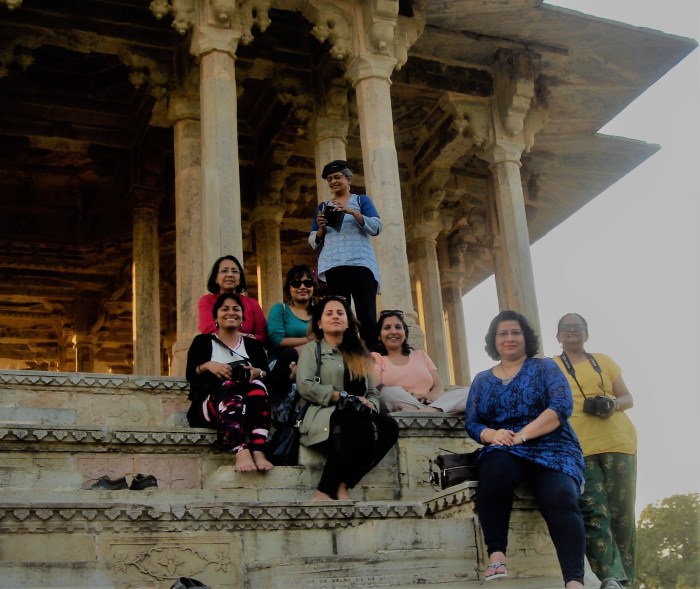



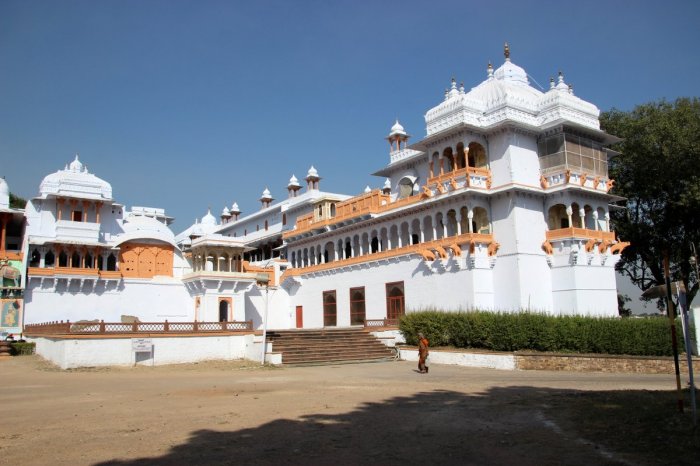
 The Museum is located within the historic Kota City Palace or Kota Garh complex, which consists of many buildings, but none of the other buildings in the palace complex were whitewashed. In fact, the building next to the Museum has been spared the whitewash (except for the domes) and I was able to admire the intricate stone jaalis or lattice-work that covered the entire structure.
 My Favourite Things