Travel Shot : An… er… village scene

What happens when enthusiastic designers and planners go overboard about a theme or take their brief too seriously? See for yourself.
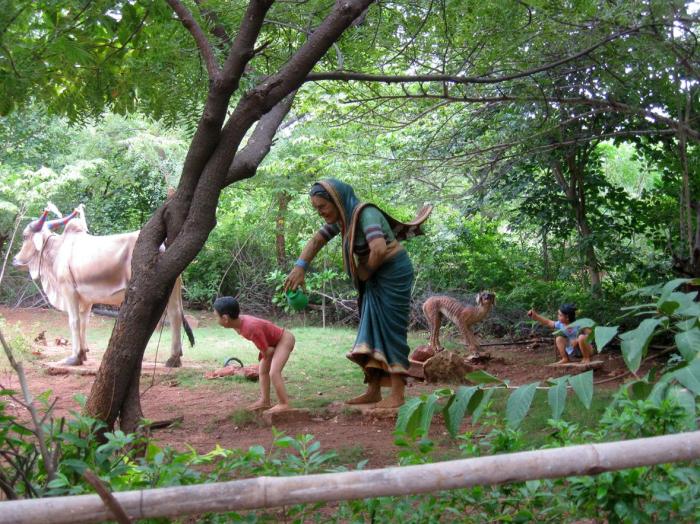
2nd September 2010: Reproduction of a village scene at the Almatti Dam Gardens

You can see the above reproduction of a village scene and other scenes as well along with, dinosaurs, birds, giant turtles and frogs, crocodiles, naked little boys, Krishna frolicking with gopikas, etc. at the Almatti Dam Gardens, in northern Karnataka. Though the large gardens are beautifully laid out, the whole effect is spoiled by placing sculptures, statues, and what-have-yous like the one above. The effect is unbelievably cheesy. You can see more such photographs here.

Have you come across something like this before?

Mumbai Lens: Bats at my bus stop

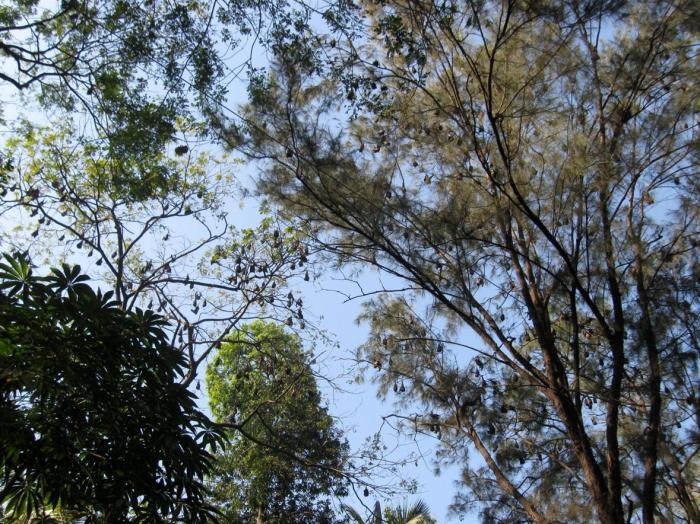
If you happen to be at the Punjabwadi bus stop in Deonar (Mumbai), just outside Saras Baug society, do pause for a minute. Or two. Over and above the din of the traffic, you will hear another kind of noise—lots of screeching and screaming. No, no, don’t look around for the source of this noise, look up into the trees and this is what you’ll see:

Continue reading “Mumbai Lens: Bats at my bus stop”

Museum Treasure: Gold, silver, copper, diamond

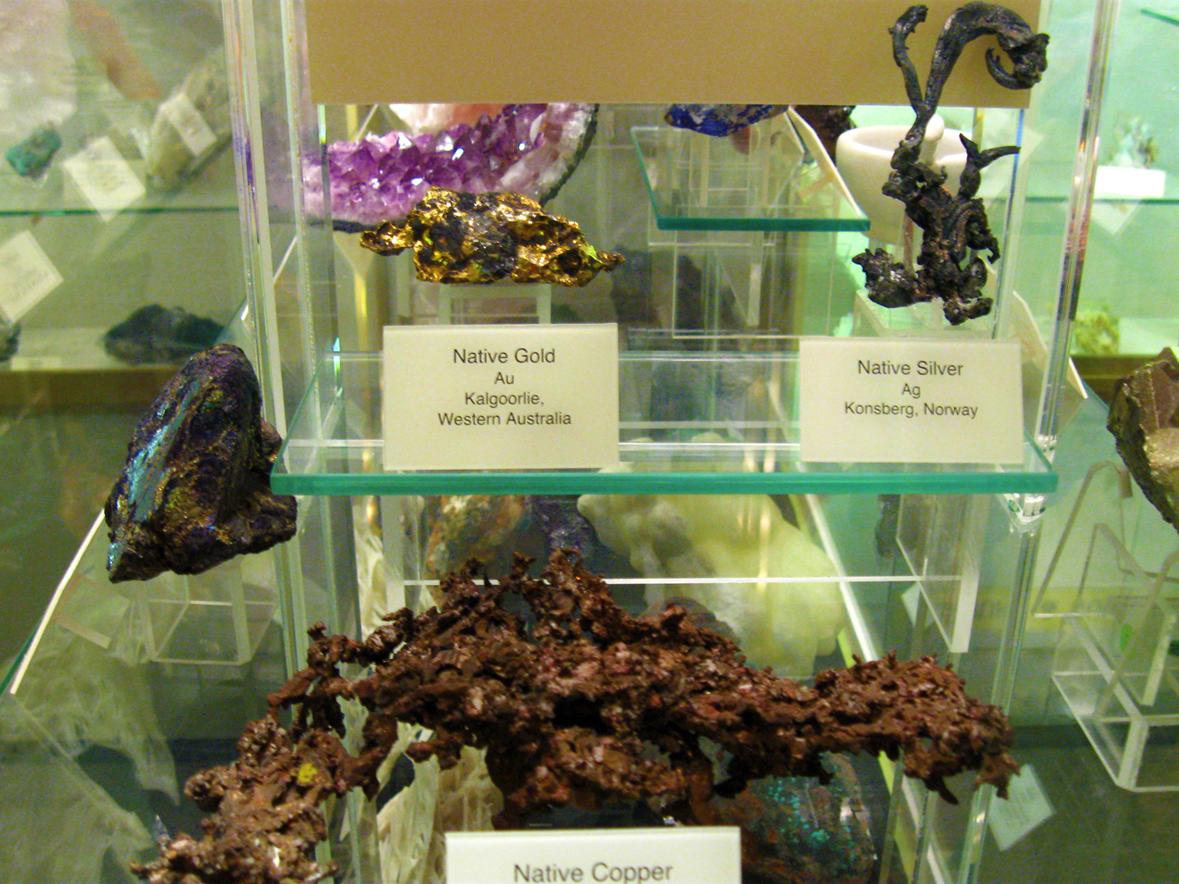
The Sedgwick Museum of Geology in the university town of Cambridge (UK) is, to put it mildly, a fascinating place. It has a fantastic collection of fossils, rock specimens from all over the world, as well as a large collection of minerals and metals. On a visit to Cambridge, this was one of the places I chose to explore. I loved their unique collection, but what really caught my attention was a display of the natural or native forms of gold, silver and copper, as well as a natural “solitaire” as found in its host rock, Kimberlite.

Gold, silver and copper as they appear in their natural state

Continue reading “Museum Treasure: Gold, silver, copper, diamond”

The ascent of Pavagadh Hill

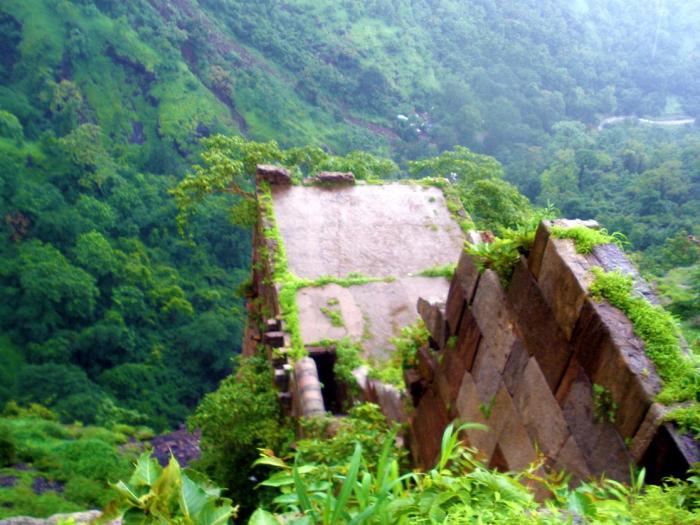
The town of Champaner is situated at the base of Pavagadh Hill, which is a sudden rise in an otherwise gently undulating landscape. A climb up Pavagadh Hill reveals a heady mix of interesting geology, mythology, religious confluence, history, strategic military brilliance and foresight, clever design and architecture, rainwater harvesting systems, sustainable measures, a hidden valley of flowers, etc.

Geologically, Pavagadh Hill is quite different from Champaner. The Hill is composed of rhyolite, a volcanic rock, while Champaner is almost entirely sandstone, a sedimentary rock. It is this volcanic feature which made Pavagadh an important and strategic location for whoever ruled it. About 830 m high, it descends or ascends (depending on your point of view) in five plateaus, each of which are separated by steep cliffs. This feature enabled fortifications to be built at vantage points around the hill in a circular manner, making it indefensible and non-breachable. And also confusing for the visitor/tourist.

Photo: Rupal Parikh

Continue reading “The ascent of Pavagadh Hill”