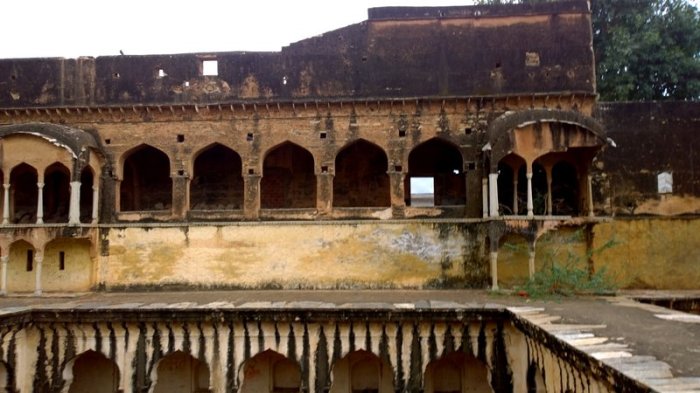
One place that everyone I spoke to in Shekhawati said I must visit was Lohargal. And all gave different reasons for visiting it.
It is our hill station, said one. You get the best pickles in the world there, said another. It is a holy place and a dip in the tank will remove your sins, said the third person. There is an ancient sun temple there, said the fourth. The mention of the sun temple got me intrigued. Then another person said, “There’s a stepwell at Lohargal. If you’re interested in history, you must go there.” The stepwell was the clincher to visit Lohargal.
That’s how on my return journey to Jaipur from Nawalgarh, at the end of my Shekhawati trip, I took a detour to visit the stepwell at Lohargal. It was an hour’s drive from Nawalgarh through steady rain, narrow roads skirting the Aravali ranges, and some beautiful scenery.
When we arrived at the stepwell, which is on the road, the rain had lessened to a light drizzle.
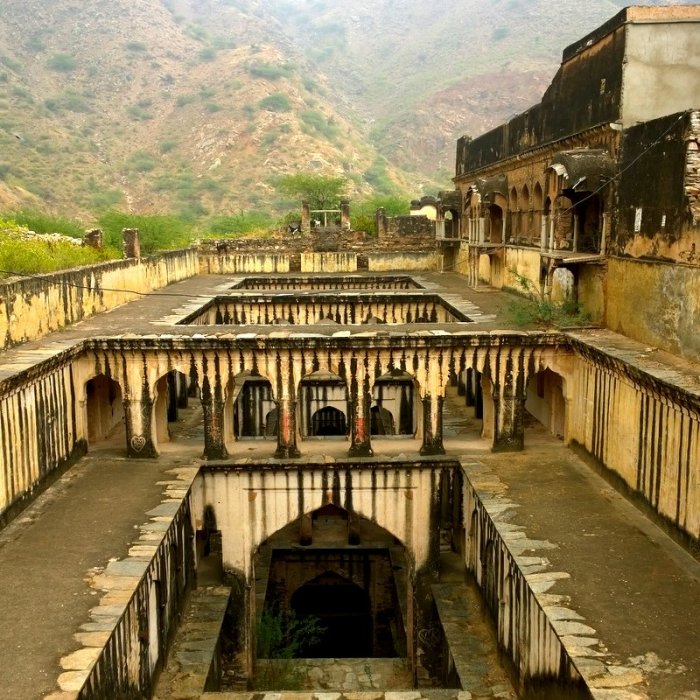
Continue reading “The stepwell at Lohargal”


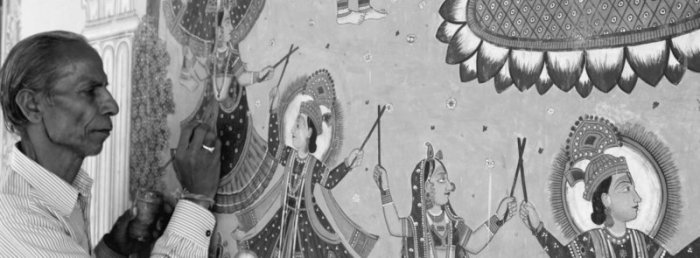
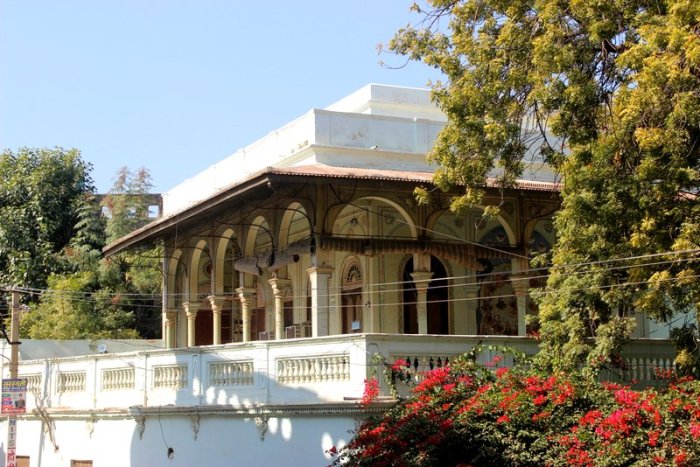 Turned out that the Museum staff knew quite a bit. The haveli was the private residence of the Podars, the very family that owned the Museum. This was where the family members and their friends stayed whenever they visited Nawalgarh. Currently, the haveli was undergoing repairs and renovation and was, therefore, unoccupied. And yes, I could go and see the haveli if I wished to.
 The more I thought about the Q&A format, the more I liked it. It took a while to get written though, and after some tweaking and editing, presenting and sharing my very first trip planner.
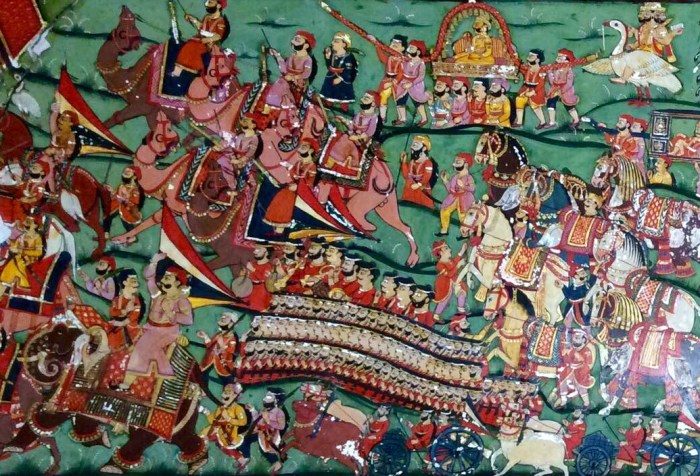
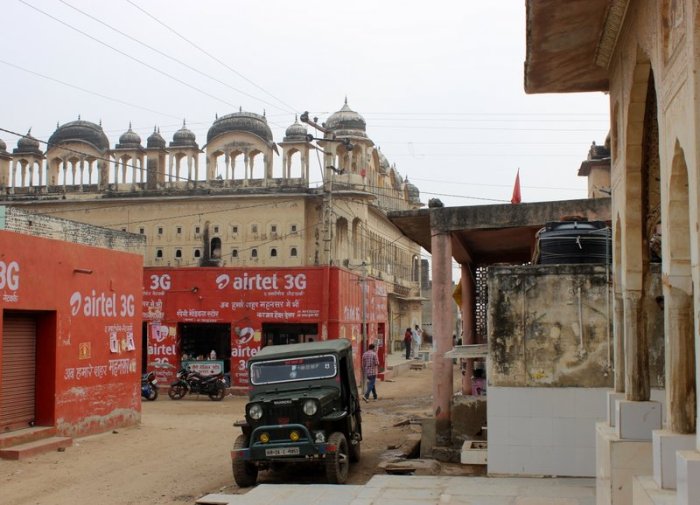 I thought of heading towards the Mahensar Fort, but my bad luck with Forts in Shekhawati continued — the Fort was now a hotel and out of bounds for the casual visitor. As I was looking around for a possible direction to head towards, a man came up to me with a large bunch of keys and said, “You must have come to see the Sone Chandi ki Dukaan. I’m the caretaker of that place. Come, I will open it up for you.”
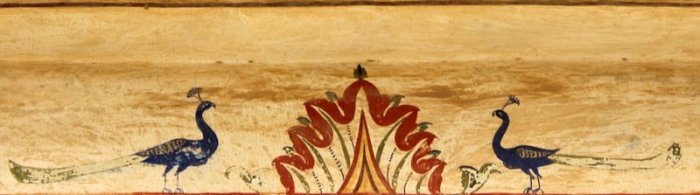
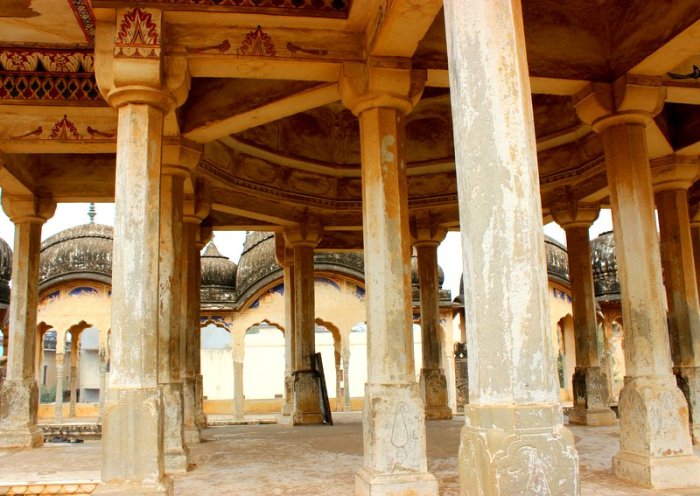 And the last surprise were the frescoes themselves, at least some of them. But more about that later on in this post.

