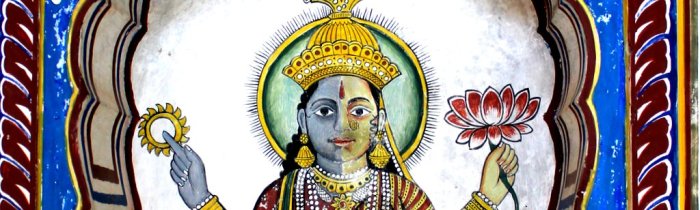
The Dr. Ramnath A. Podar Haveli Museum at Nawalgarh in the Shekhawati region of Rajasthan was built in 1902. Originally a residence and known as Podar Haveli, it was converted into a museum after major renovation and restoration works were undertaken of the frescoes and murals that cover every inch of its exterior and interior walls.
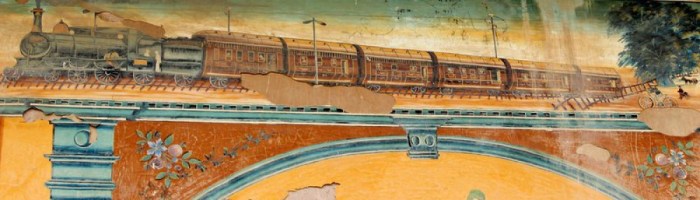
The Haveli Museum, which is over 100 feet long, is supposed to have 750 frescoes on its outer walls, passages, two courtyards and all the rooms in the lower level. Every fresco/mural is detailed and covers themes from mythology to local folk tales to whimsical depictions of everyday life.
Though there were many stunning works of art at the Haveli Museum, there was one that caught my eye — more for the unusual subject than for the quality of art. It was like an Ardhanareeshwara, but instead of the composite image of Shiva and Parvati, it was one of Vishnu and Lakshmi.
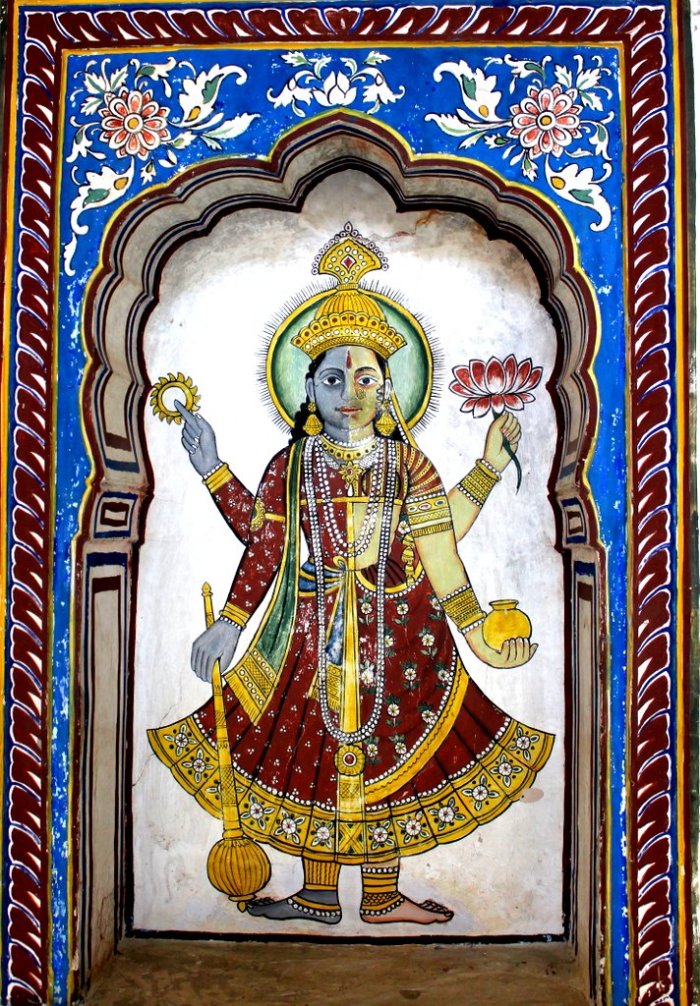
Continue reading “Museum Treasure: Vaikuntha Kamalaja”


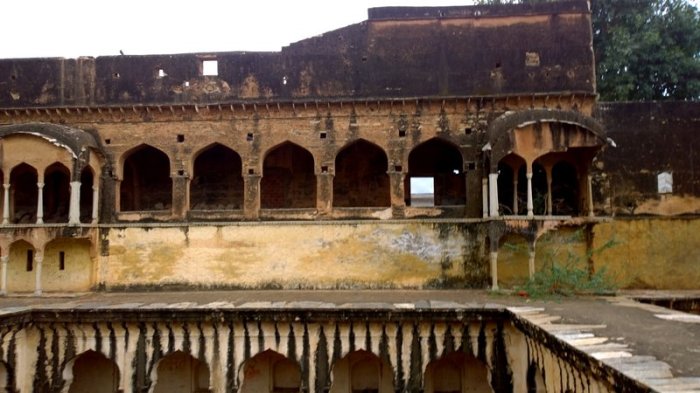
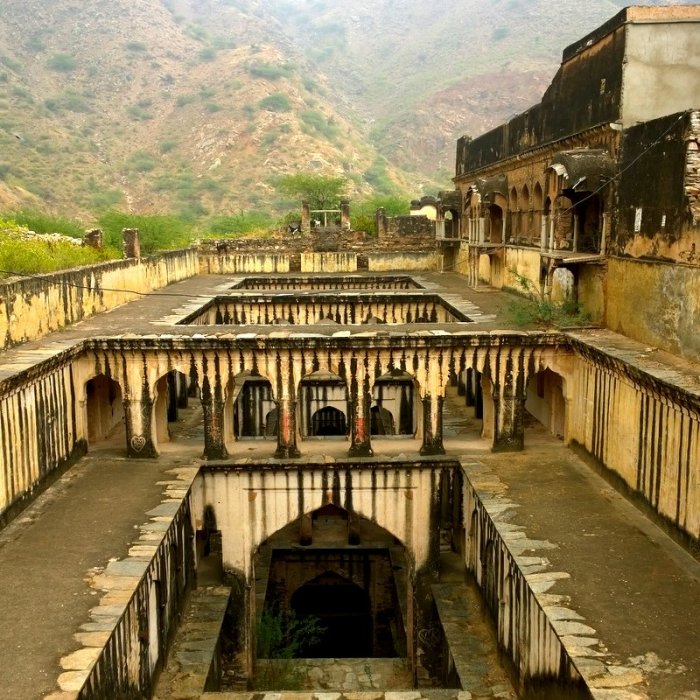
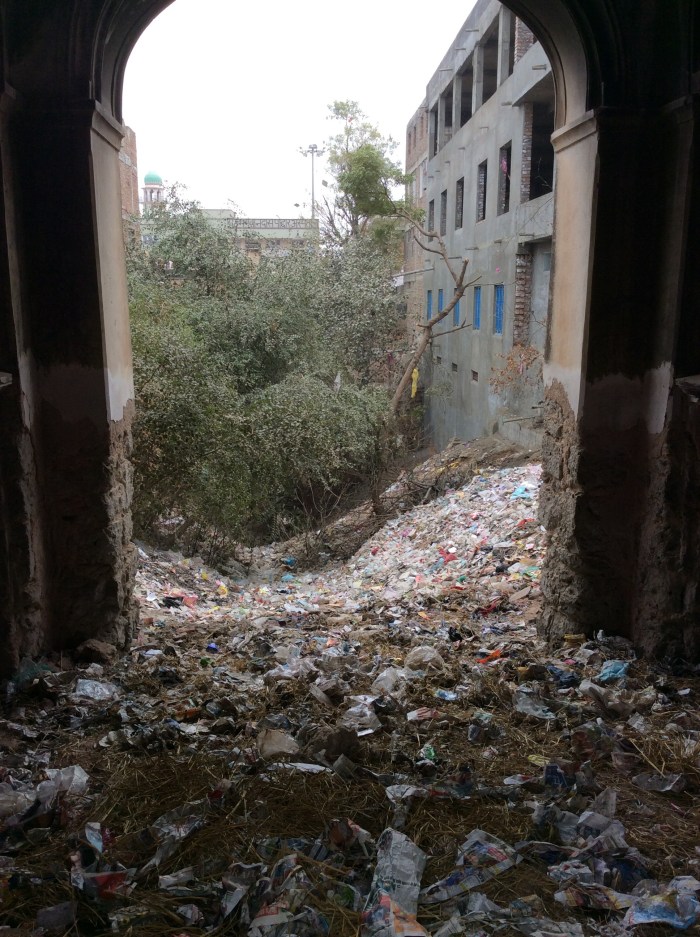 Loud, raucous laughter erupts from the group. “This used to be a bawri. It used to contain water, now it only has garbage. Therefore, it is kachre ka bawri (or a well of garbage). Why have you come to see this kachre ka bawri?” says another man in the group.


 The more I thought about the Q&A format, the more I liked it. It took a while to get written though, and after some tweaking and editing, presenting and sharing my very first trip planner.
 My Favourite Things